
How do Invisalign and braces work differently?
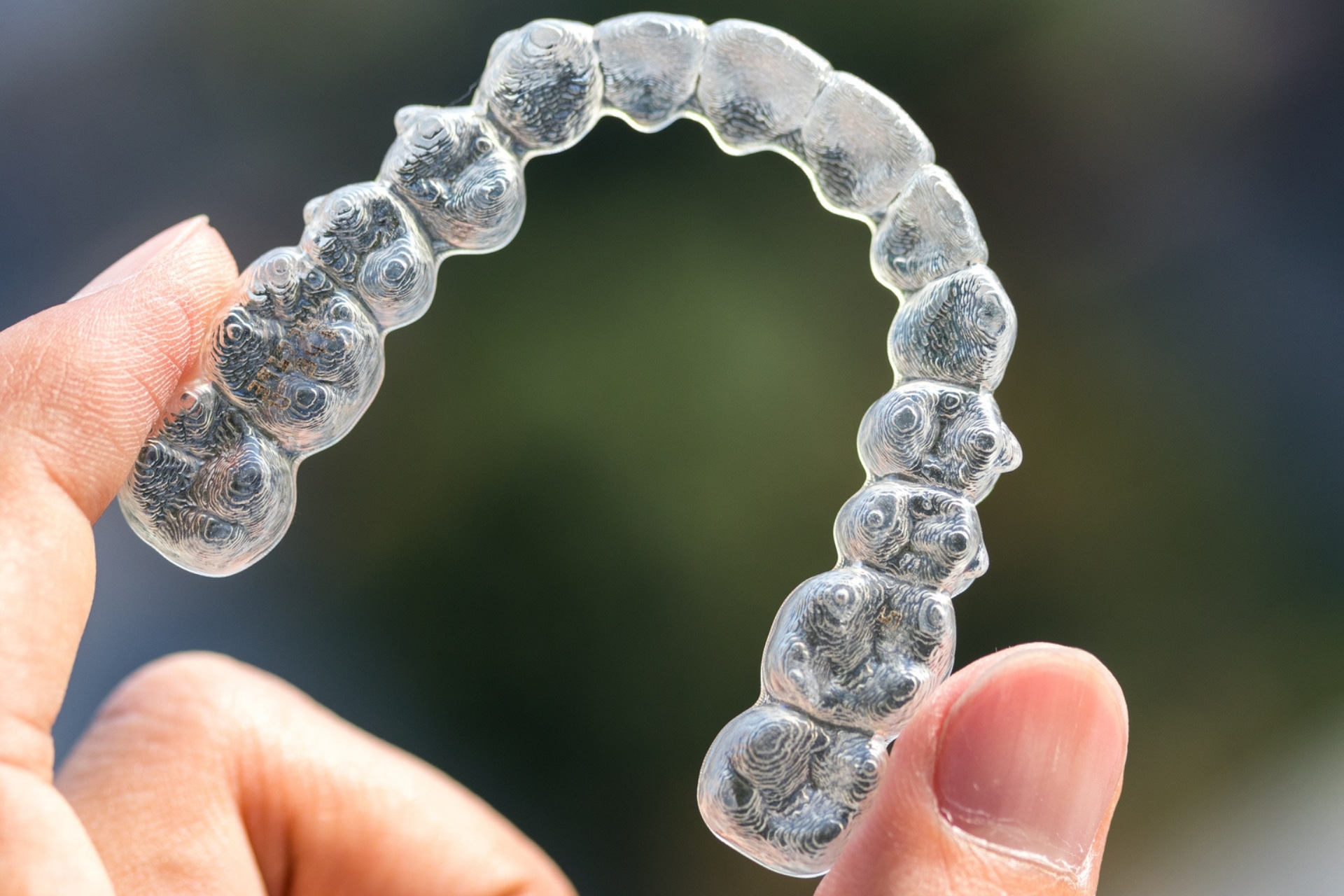
Invisalign uses a series of clear, removable aligners that gradually shift your teeth into place. Each aligner is custom-made and replaced every one to two weeks to keep your treatment progressing. Many patients looking for Invisalign in Houston prefer this option because of its flexibility and discreet appearance.
Braces use brackets and wires that are fixed to your teeth. Because they stay in place, they apply continuous pressure and allow for precise, controlled tooth movement.
At Greater Houston Orthodontics, Dr. Amir Davoody, Dr. Rana Mehr, and Dr. Panagiotis Kyteas offer both treatment options and build customized plans based on what will deliver the most effective results.
Is Invisalign as effective as braces for all cases?
Invisalign is highly effective for treating mild crowding, spacing, and certain bite concerns. When aligners are worn consistently, results can be comparable to braces. Many patients seeking an orthodontist in Houston choose Invisalign for its convenience and comfort.
Braces are often recommended for more complex orthodontic cases because they provide greater control over tooth movement. Since they are fixed, they do not rely on patient compliance, which makes them more predictable in advanced situations.
If you want to better understand how orthodontic care improves oral health, you can check this overview from the American Dental Association on braces and orthodontics.
Both Invisalign and braces are proven methods for achieving a straighter, healthier smile when used appropriately.
Which treatment is faster?
Treatment time depends on the complexity of your case rather than the appliance itself. Invisalign may be faster for simpler cases because it follows a structured sequence of aligners.
For more advanced cases, braces may work more efficiently due to their ability to make precise adjustments. Since braces are always active, they continue working without relying on daily habits.
Most patients at our Houston office can expect treatment to take between 12 and 24 months. Your orthodontist will provide a personalized timeline during your consultation.
Is Invisalign a good option for teens and adults?
Invisalign is a popular option for both teens and adults. Many patients prefer it because the aligners are clear and removable, making them easy to incorporate into daily life.
Teens can benefit from Invisalign if they follow the recommended wear schedule. Adults often choose Invisalign for its discreet appearance in professional and social settings.
Braces remain a reliable option for patients of all ages, particularly when more complex corrections are needed as part of a comprehensive Houston orthodontic treatment plan.
How do you choose between Invisalign and braces?
Choosing between Invisalign and braces depends on your orthodontic needs, lifestyle, and preferences. Invisalign is ideal if you want a flexible and nearly invisible option.
Braces may be the better choice if your case requires more advanced correction or if you prefer a treatment that does not rely on daily compliance.
Schedule your consultation at Greater Houston Orthodontics today to find out whether Invisalign or braces is the best option for your smile. Dr. Amir Davoody, Dr. Rana Mehr, and Dr. Panagiotis Kyteas will evaluate your smile and recommend the most effective treatment for your goals.