Common Bite Problems We Treat in Houston, TX

It is easy to think of crooked teeth or a misaligned bite as a cosmetic issue, but the effects often run deeper. Teeth that overlap or sit out of line are harder to brush and floss, which raises the risk of cavities and gum disease over time. A bite that does not meet evenly can wear down enamel, the hard outer surface of the teeth, and put strain on the jaw joints and muscles, sometimes leading to discomfort or headaches. Certain problems can also affect how clearly you speak or how comfortably you chew.

Correcting these issues protects long-term oral health, not just appearance. And for many patients, the confidence that comes with a smile they are proud of is just as meaningful as the health benefits.

Every diagnosis starts with a complimentary consultation. We examine your teeth and bite, take comfortable digital scans and images when needed, and explain exactly what we see in plain language. From there we recommend the most effective option, whether that is braces, Invisalign, or for children, early treatment that guides growth before problems become harder to fix. Below are the bite and alignment issues we correct most often in children, teens, and adults.

Overjet (Protruding Front Teeth)

An overjet, sometimes called protrusion, is when the upper front teeth angle or extend too far forward, often described as "buck teeth." Beyond appearance, protruding teeth are more vulnerable to injury. Braces and Invisalign can both bring the front teeth into a safer, more balanced position, and in growing children we can guide jaw development to help.
Overbite Greater Houston Orthodontics in Houston, TX

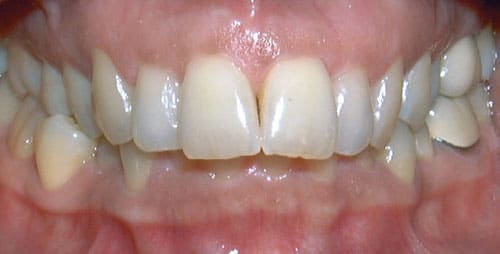
Overbite

An overbite is when the upper front teeth overlap the lower front teeth more than they should. A slight overlap is normal, but a deep overbite can cause excessive tooth wear, gum irritation, and jaw strain over time. Because it is one of the most common reasons patients come to see us, we cover it in depth on a dedicated page: overbite correction in Houston.

Overbite Greater Houston Orthodontics in Houston, TX

Crossbite

A crossbite happens when some upper teeth sit inside the lower teeth when you bite down, instead of outside them. Left untreated, a crossbite can cause uneven jaw growth in children and contribute to tooth wear and gum problems over time. Treatment may include an expander to widen a narrow upper jaw, followed by braces or aligners to align the bite.
Open Bite Greater Houston Orthodontics in Houston, TX

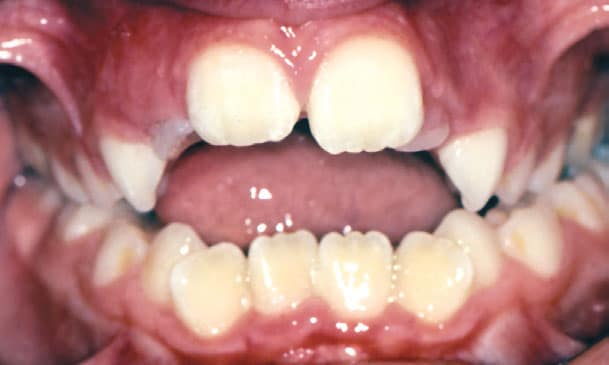
Open Bite

With an open bite, the upper and lower front teeth do not touch when the back teeth are closed. This can make biting into food difficult and is sometimes linked to habits like thumb sucking or tongue thrusting (pushing the tongue against the front teeth). Correcting an open bite improves both chewing and speech, and may involve braces, aligners, or addressing the underlying habit.
Crowding Greater Houston Orthodontics in Houston, TX

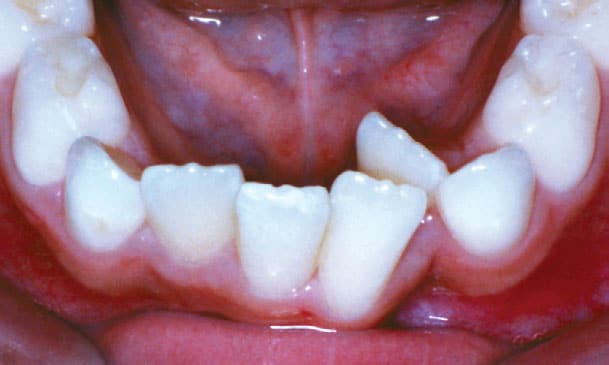
Crowding

Crowding occurs when there is not enough room in the jaw for all the teeth, so they overlap, twist, or get pushed out of line. Crowded teeth are harder to brush and floss, which raises the risk of cavities and gum disease. We can often relieve crowding without removing teeth by gently creating space, then aligning everything with braces or clear aligners, giving crowded teeth room to settle into a straighter, easier-to-clean position.
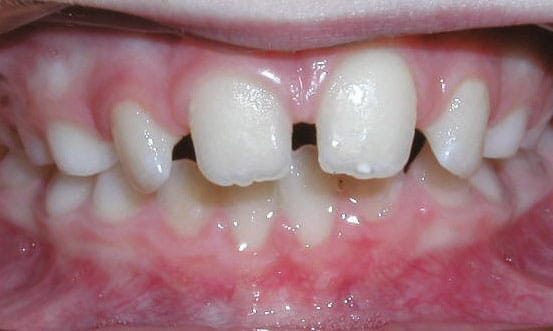
Spacing Greater Houston Orthodontics in Houston, TX

Spacing

Spacing is the opposite of crowding: gaps between the teeth, which can result from missing teeth, smaller-than-average teeth, or a mismatch between tooth and jaw size. While gaps are sometimes only a cosmetic concern, they can also trap food and affect the bite. Braces and Invisalign both close spacing effectively for a more even, healthy smile.
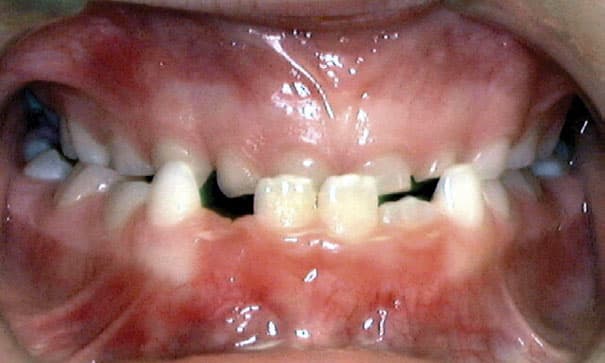
Underbite Greater Houston Orthodontics in Houston, TX

Underbite

An underbite is the opposite: the lower jaw sits forward, so the lower front teeth rest in front of the upper teeth. It can make chewing and speaking more difficult and may lead to jaw discomfort. Underbites are often related to jaw growth, which is why catching them early in childhood can make treatment simpler. Depending on severity, we correct underbites with braces, aligners, growth guidance, or in significant cases, surgical orthodontics.

How We Correct Bite Problems

The right treatment depends on the specific problem, its severity, and your age, which is why every plan we create is individualized. Common approaches include:

  • Braces for precise control over moderate to complex bite correction.
  • Invisalign clear aligners for many mild to moderate cases, in a discreet, removable form.
  • Early treatment for children, which can guide jaw growth and reduce the need for more involved treatment later.
  • Surgical orthodontics for significant jaw discrepancies, coordinated with an oral surgeon.

When Should You See an Orthodontist?

For children, the American Association of Orthodontists recommends a first orthodontic checkup by around age 7. At that age, enough permanent teeth have come in for us to spot developing problems like crossbites, crowding, or jaw-growth concerns, and early evaluation gives us the option to guide growth while it is still happening. That does not always mean a child needs braces right away; often it simply means we monitor and plan for the right time.

For teens and adults, there is no wrong time to ask. If you notice teeth that are crowded, gapped, or protruding, a bite that feels off, jaw discomfort, or you simply do not love your smile, a complimentary consultation is the easiest way to understand your options. Teeth can be moved at any age, and many of our patients begin treatment as adults.

Treatment for Children, Teens, and Adults

The right approach to a bite problem often depends on age. In children, early treatment can take advantage of natural growth to guide the jaws and create room for permanent teeth, sometimes preventing a problem from becoming serious. For teens, braces and Invisalign Teen correct alignment and bite during the years when treatment tends to be most efficient. And for adults, modern options like clear aligners make it easier than ever to correct a long-standing bite problem discreetly. Whatever your age, our board-certified team will recommend the most effective, comfortable plan for your specific bite.

Frequently Asked Questions

Many bite problems affect function and long-term health, not only appearance. Correcting them can make it easier to chew, speak, and clean your teeth, and can prevent uneven wear and jaw strain down the road.

The American Association of Orthodontists recommends a first orthodontic checkup by around age 7. Some issues, like crossbites and underbites, are easier to correct while a child is still growing.

Invisalign can correct many mild to moderate bite problems, while braces give us more control in complex cases. We will recommend the best fit for your specific bite at your consultation.

Schedule a Complimentary Consultation