
At Greater Houston Orthodontics, Dr. Amir Davoody, Dr. Rana Mehr, and Dr. Panagiotis Kyteas help patients in Houston, TX and surrounding communities compare ceramic braces, metal braces, and Invisalign. As board-certified orthodontists, they look at the bite, tooth position, oral health, treatment goals, and daily habits before recommending an option.
The main difference shows up when a bracket is hit with strong or focused pressure. Metal can flex more before it is damaged, while ceramic may chip instead of bend. With good care, ceramic braces can still be a dependable choice throughout treatment.
How Do Ceramic and Metal Braces Move Teeth?
Ceramic and metal braces move teeth in the same basic way. Brackets are bonded to the teeth, and an archwire applies steady pressure that guides the teeth into new positions.
Both types can treat crowding, gaps, rotated teeth, protruding teeth, and some bite problems. The bracket material is only one part of treatment. Tooth movement also depends on the archwire, bracket placement, oral health, and the type of correction needed.
The orthodontist chooses the system that fits the patient’s bite and treatment plan.
What Makes Ceramic Brackets Different From Metal?
Ceramic brackets are hard and rigid, while stainless steel brackets have more flexibility.
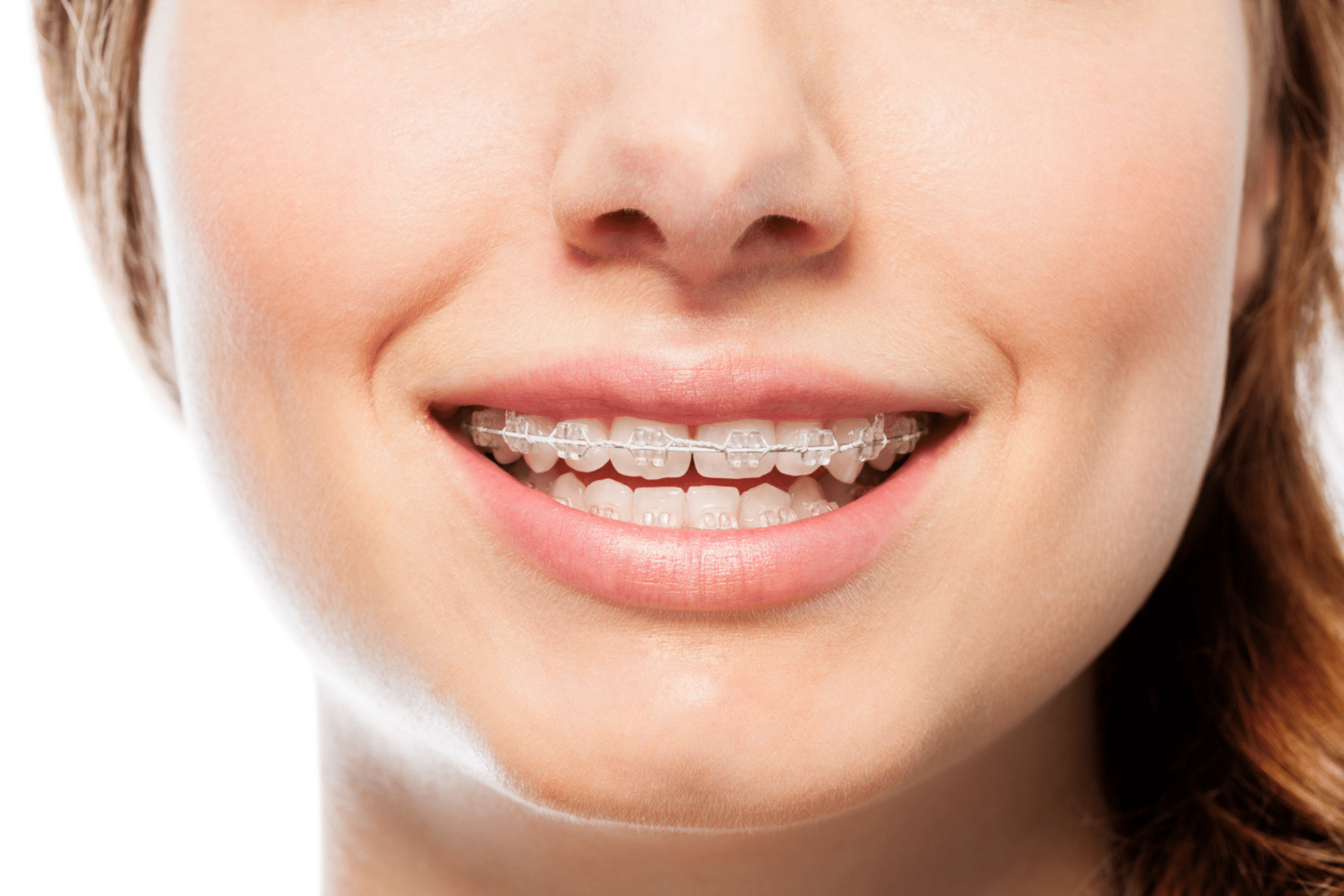
Metal brackets are made from strong metal alloys. Ceramic brackets use clear or tooth-colored material that blends more closely with the teeth. Cleveland Clinic explains that clear ceramic braces work much like metal braces but are less noticeable because of the materials used.
Because ceramic does not flex as easily, it reacts differently to a sudden impact. This matters most when a bracket is exposed to hard or focused pressure, not the slow forces used during treatment.
For many patients, ceramic braces can provide effective fixed treatment with a more discreet look.
What Can Damage Ceramic Brackets?
Very hard foods, strong impacts, and repeated pressure can raise the risk of bracket damage.
Ice, hard candy, unpopped popcorn kernels, and very hard nuts can put too much force on braces. Firm foods such as apples and raw vegetables can often be cut into smaller pieces before eating.
Habits such as chewing pens, biting fingernails, or using the teeth to open packages can also stress brackets and wires.
These care steps help protect both ceramic and metal braces. Avoiding extra pressure can reduce loose brackets, broken parts, and treatment delays.
Can Ceramic Braces Handle Sports and Daily Activities?
Yes. Ceramic braces are made for normal daily activities, including school, work, exercise, and sports.
The main concern in sports is a direct hit to the mouth. A ball, elbow, fall, or piece of equipment can damage braces and may press the brackets or wires against the lips or cheeks.
An orthodontic mouthguard can help protect the braces, teeth, and soft tissues during contact sports or activities where falls are possible. Patients should ask their orthodontic team which type fits well over their braces.
How Do You Care for Ceramic Braces?
Ceramic and metal braces need similar daily care. Patients should brush around the brackets, floss each day, choose braces-friendly foods, and keep regular orthodontic visits.
Food and plaque can collect around brackets and under the wire. Floss threaders, interdental brushes, and water flossers may make these areas easier to clean.
Good cleaning also helps ceramic braces keep a neat appearance. Patients should continue regular dental exams and cleanings to protect the teeth and gums during treatment.
What Happens if a Ceramic Bracket Breaks?
A loose, cracked, or detached ceramic bracket can usually be repaired without changing the full treatment plan.
Patients should contact the orthodontic office if they notice damage. If the bracket is still attached to the wire, it is usually best to leave it in place unless the orthodontic team gives other instructions.
One damaged bracket does not mean ceramic braces are unreliable. Repeated breakage, however, can affect tooth movement and may be a reason to review food choices, chewing habits, bite contact, or other sources of pressure.
Who May Be a Good Candidate for Ceramic Braces?
Ceramic braces may be a good option for teens and adults who want fixed braces with a less noticeable look.
They can appeal to patients who want brackets that blend more closely with their teeth but do not want to manage removable aligners.
An orthodontist looks at the bite, needed tooth movement, oral hygiene, existing dental work, sports habits, and how the teeth contact the brackets before recommending ceramic braces.
The goal is to choose an appliance that fits the treatment plan and the patient’s preferences.
Ready to Start Orthodontic Treatment in Houston, TX?
You do not need to know which treatment you want before seeing an orthodontist. An exam can help show whether braces, Invisalign, or another option fits your teeth, bite, lifestyle, and goals.
Greater Houston Orthodontics offers several treatment options, so care can be planned around each patient’s needs rather than a single appliance.
Schedule a complimentary consultation to have Dr. Davoody, Dr. Mehr, or Dr. Kyteas evaluate your teeth and bite, explain your options, and help you understand which treatment may be right for you.