
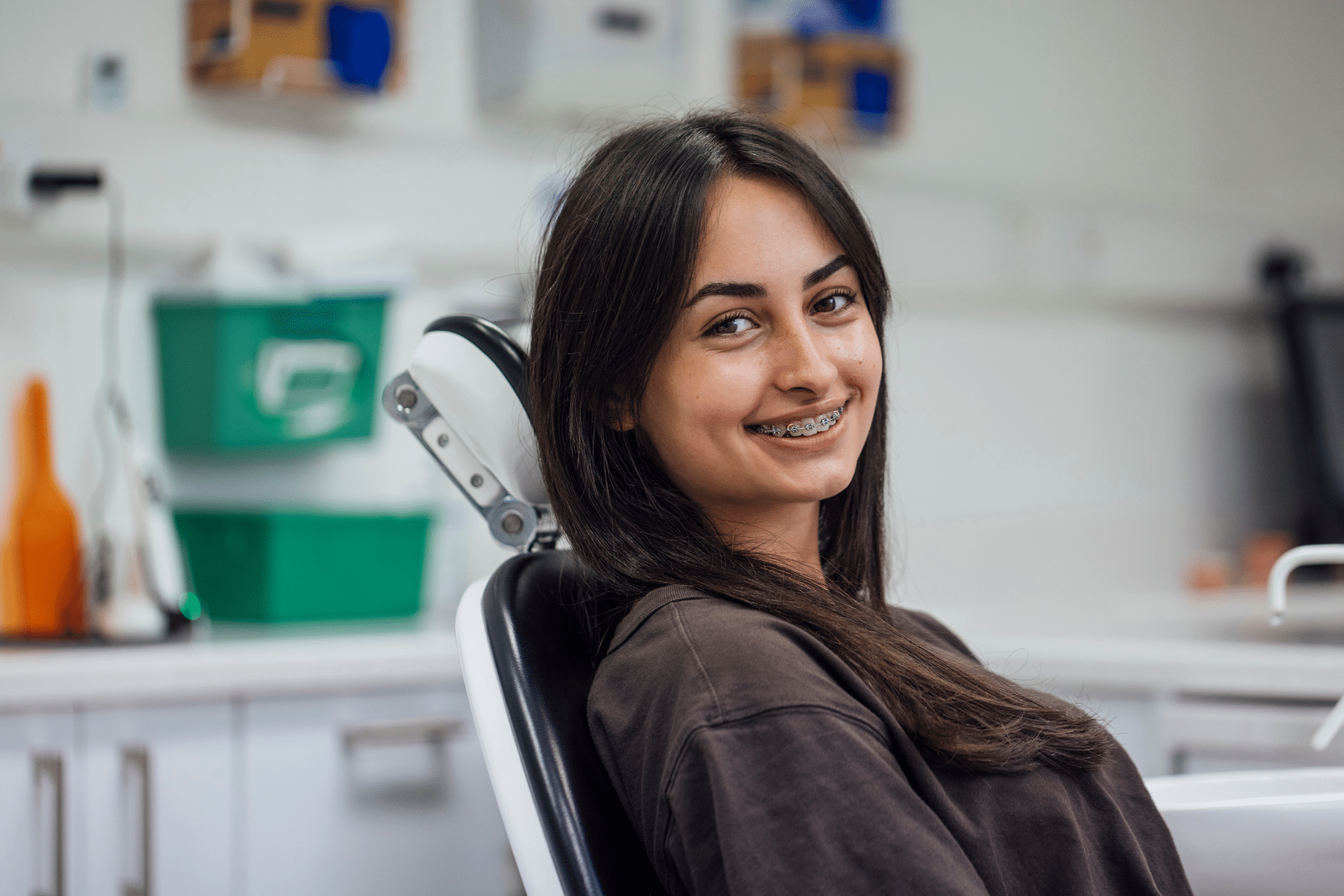
At Greater Houston Orthodontics, patients receive guidance based on how their teeth, jaw, and overall bite function work together. The team creates treatment plans that support both smile appearance and oral function.
Why Do Orthodontists Recommend Braces Before Problems Feel Serious?
Orthodontists often recommend braces before pain or visible damage appears because spacing and alignment changes may develop before symptoms are obvious. Teeth may look only slightly crowded, but they may already be placing uneven pressure on enamel, gums, or jaw muscles.
Braces are not only used to make teeth look straighter. They can help create a healthier bite, improve how teeth meet, and make daily cleaning easier. Cleveland Clinic explains that malocclusion, or a misaligned bite, can contribute to tooth erosion, gum disease, and other oral health issues when left untreated.
The goal is to understand whether delaying treatment is safe for your specific smile.
Can Crowding or Spacing Get Worse Over Time?
Crowding or spacing can get worse when teeth shift into less stable positions. This may happen when there is not enough room for permanent teeth, when adult teeth drift with age, or when uneven jaw forces keep moving teeth out of alignment.
For children and teens, monitoring helps identify the right treatment window while the jaw and smile are still developing. For adults, shifting may show up as tighter teeth, harder flossing, or a smile that no longer looks or feels the same.
How Can Delayed Braces Affect Cleaning and Gum Health?
Delayed braces can make cleaning harder when teeth overlap, rotate, or sit too close together. Even with good brushing and flossing habits, crowded areas can trap plaque in places that are difficult to reach.
When plaque remains near the gumline, the gums may become irritated or inflamed. Improving alignment can create better access for brushing and flossing, which supports healthier daily care and routine dental maintenance.
Can Jaw or Tooth Pressure Become More Complicated?
Jaw or tooth pressure can become more complicated when the upper and lower teeth do not meet evenly for a long period of time. Certain teeth may absorb too much force, and the jaw may shift to compensate during chewing.
Uneven pressure may contribute to worn enamel, chipped edges, tooth sensitivity, or jaw muscle fatigue. When Dr. Davoody, Dr. Mehr, or Dr. Panos evaluates your smile, they look beyond tooth appearance and assess whether braces or Invisalign could help distribute force more evenly.
Is It Ever Too Late to Start Braces?
It is usually not too late to start braces if your teeth, gums, and supporting bone are healthy enough for orthodontic movement. Many adults begin treatment because they want to correct shifting teeth, improve comfort, or make cleaning easier.
Putting off care may limit the simplest options in some cases. A concern that could have been easier to correct earlier may require longer treatment, more detailed planning, or coordination with another dental provider.
How Can You Decide Whether to Start Treatment?
The best way to decide is to schedule an orthodontic consultation before problems become painful or disruptive. If braces have already been recommended, a follow-up visit can help you understand what has changed and what your options are.
At Greater Houston Orthodontics, Dr. Davoody, Dr. Mehr, and Dr. Panos can explain what is happening with your teeth, how your jaw is functioning, what may happen if treatment is delayed, and which options fit your goals. For children, teens, and adults in Houston, TX and surrounding communities, this helps turn uncertainty into a clear next step.
Schedule a consultation today with Greater Houston Orthodontics to find out whether braces, Invisalign, or continued monitoring is the best path for your smile, comfort, and long-term oral health.